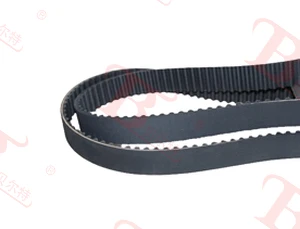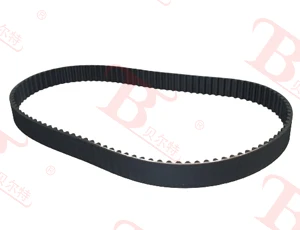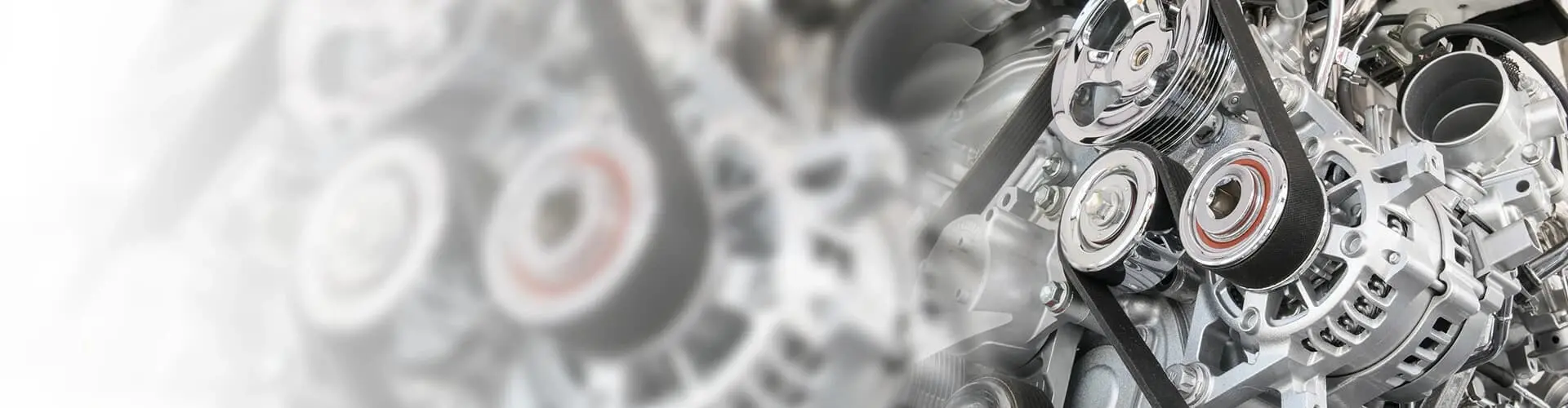



Timing belts provide accurate synchronization between the crankshaft and camshaft, ensuring optimal engine performance.

These belts require minimal maintenance compared to chain-driven systems, reducing downtime and operational costs.

Timing belts operate more quietly than chain systems, contributing to a more pleasant driving experience.

As one of leading automotive belt manufacturers, our belts are made from durable materials, timing belts are resistant to stretching and wear, ensuring long-lasting performance.
 What is the primary function of a timing belt?
To synchronize the rotation of the crankshaft and camshaft for optimal engine performance.
How often should I replace my timing belt?
Typically every 60,000 to 100,000 miles, but check your vehicle’s manual.
What are the signs of a failing timing belt?
Squealing noises, visible wear, or engine misfires.
Can I replace the timing belt myself?
It’s recommended to have a professional do it due to the complexity.
What materials are timing belts made from?
Usually rubber with high-strength fibers like Kevlar.