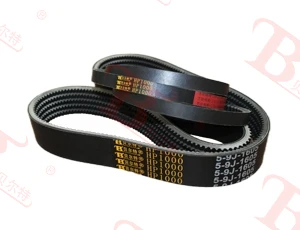
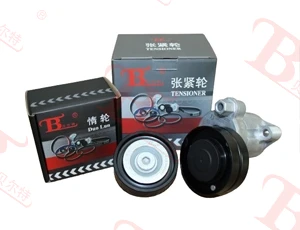
Industrial sewing machines are built for continuous, repetitive work, so even a small transmission component can affect daily production. The drive belt has to transfer power smoothly while maintaining stable movement through long operating cycles. If the belt is poorly matched to the machine, the result may be slipping, vibration, irregular operation, faster wear, or unexpected downtime.
Choosing a belt for industrial sewing machine applications therefore requires more than checking whether the belt is the right length. The belt type, pulley profile, machine speed, workload, tension, and working environment all influence whether the replacement will perform reliably.
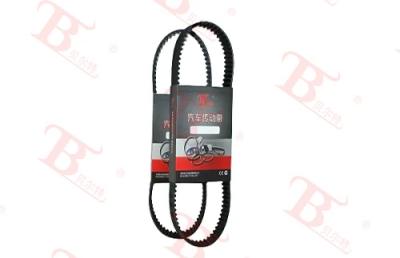
The existing drive system is usually the best place to begin. Industrial sewing machines may use timing belts or other belt structures depending on how power is transferred between the motor and machine components.
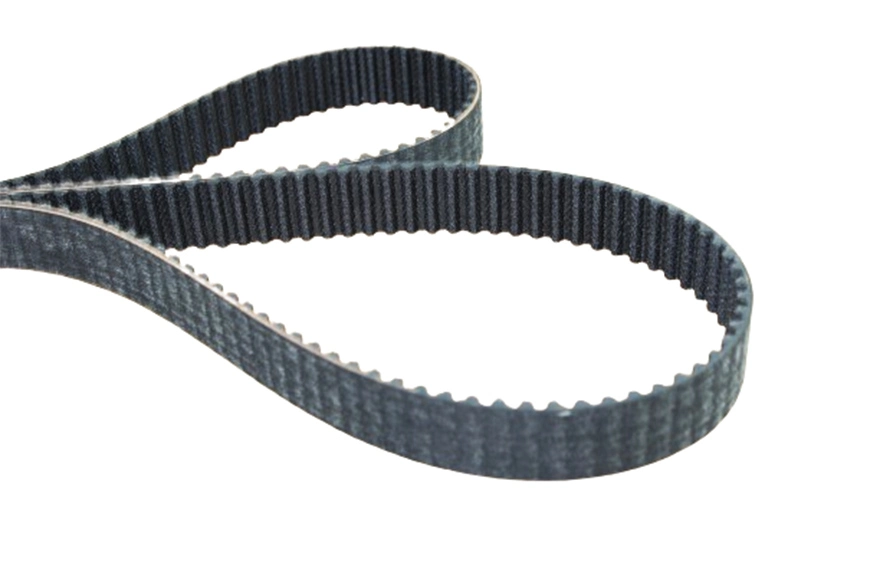
A timing belt uses molded teeth that engage with matching pulley grooves. This design is useful when the drive system needs a stable relationship between rotating components. Other belt systems rely more heavily on friction between the belt and pulley to transmit power.
Because these transmission methods work differently, belts with similar outer dimensions are not automatically interchangeable. The original belt marking, machine manual, pulley design, or an existing sample can help confirm what type of belt is required.
For replacement projects, maintaining compatibility with the original drive configuration is usually safer than changing belt construction without understanding the effect on the machine.
Length is important, but profile is often just as critical. A belt for industrial sewing machine use needs to sit and engage correctly with the pulley.
For timing belts, tooth pitch and tooth profile must correspond with the pulley. A mismatch can create poor tooth engagement, noise, concentrated wear, or unstable transmission. Belt width also needs to suit the pulley and the load carried by the drive.
For friction-driven belts, the cross-section should match the pulley groove correctly. If the belt rides in the wrong position, the contact area changes and wear may increase even though the machine can still run.
This is why buyers should avoid selecting a replacement only from an approximate length measurement. A complete specification gives a much better basis for comparison.
An industrial sewing line can place very different demands on a belt depending on the machine and the production process. A machine running occasionally at moderate speed does not create the same operating conditions as equipment working continuously through a full production shift.
High-speed operation increases the number of bending cycles experienced by the belt, while frequent starting and stopping introduces repeated changes in load. Sewing thicker materials can also increase resistance within the machine and raise the demand on the drive system.
For this reason, a suitable belt for industrial sewing machine equipment should be chosen around actual use rather than size alone. The belt needs enough dimensional stability and fatigue resistance to perform under the machine's normal workload.
When purchasing for a factory or OEM project, it is useful to tell the supplier how the equipment operates. Application information can help determine whether a standard belt is appropriate or whether a more specific construction should be considered.
Industrial sewing depends on coordinated mechanical movement. The needle, feed system, hook, and other moving parts must operate within the machine's intended sequence.
Where a timing belt is used, reliable tooth engagement helps maintain consistent rotational movement. If the belt is poorly matched, worn, or installed incorrectly, the drive may become less stable over time.
This does not mean every stitching problem is caused by the belt. However, the belt forms part of the mechanical system that keeps the machine running consistently. For timing belt applications, tooth geometry, belt construction, and proper installation should therefore be treated as functional requirements rather than simple dimensional details.
Even the correct belt can perform badly if the tension is wrong.
Insufficient tension may allow unstable movement or poor engagement, depending on the belt design. Excessive tension creates the opposite problem by increasing stress on the belt, shaft, bearings, and related drive components.
Correct tension should follow the machine manufacturer's requirements whenever those specifications are available. It is also important to inspect the system again after installation if the belt shows unusual noise, movement, or wear.
If a replacement belt fails much earlier than expected, repeatedly installing new belts without checking tension can hide the real problem.
Not every belt failure begins with the belt itself. Pulley wear, misalignment, contamination, or physical damage can affect how the belt contacts the drive system.
A worn pulley may create an uneven contact pattern. Misalignment can cause the belt to track incorrectly and wear one side faster than the other. Oil, fibers, or other contamination around the drive may also interfere with reliable contact.
This is particularly important in industrial sewing environments, where textile fibers and production debris can gradually accumulate around equipment.
When investigating premature belt wear, the belt and pulley should be inspected as one transmission system rather than as separate components.
A garment factory, upholstery workshop, luggage production line, or other industrial sewing facility may operate machines for extended periods. Continuous running increases both mechanical cycling and heat exposure.
The selected belt for industrial sewing machine applications needs to remain stable under those conditions. A belt that performs adequately during short testing may not deliver the same result after repeated operating cycles.
This is one reason manufacturing consistency matters for industrial buyers. If belts vary between batches, maintenance teams may see different service behavior even when the same machine and installation method are used.
For factories purchasing in volume, consistent dimensions and construction can therefore be as important as the initial purchase price.
A drive belt is not simply a strip of rubber. Its performance depends on how the belt body, reinforcement, and working surface are designed to function together.
The belt material needs to tolerate repeated flexing, while reinforcement helps control stretching and dimensional change under load. In timing belts, the tooth area must also maintain reliable engagement with the pulley through repeated cycles.
Industrial buyers do not necessarily need to specify every material detail themselves. More importantly, they should work with a supplier that understands the application and can explain why a particular belt construction is suitable for the expected operating conditions.
This is especially relevant when a machine operates continuously, handles heavier sewing work, or uses a non-standard transmission arrangement.
Standard belts are the simplest option when the original specification is known and readily available. However, not every industrial sewing machine uses a common configuration.
A custom belt may be necessary when the machine has an unusual pulley arrangement, a special dimension, or operating requirements that are not well served by an existing standard product.
OEM sewing equipment manufacturers may also require belts that fit a specific machine platform rather than an existing replacement specification. In these cases, the supplier may need a drawing, sample, pulley information, or other technical details before confirming the design.
WUXI BELT supplies industrial transmission belts for sewing machines and other equipment applications. Buyers can view the broader power drive belt range to understand the company's product capabilities across different transmission systems.
A clear inquiry makes belt selection much easier. For a standard replacement, start with the information printed on the existing belt and confirm the main dimensions and profile.
If the original specification is unclear, photographs of the belt and pulley, a sample, or available machine information can help the supplier identify the application more accurately.
For OEM or customized projects, it is also useful to explain how the machine operates. Information about the drive system and working conditions gives the supplier a better basis for evaluating the belt than dimensions alone.
This reduces the risk of selecting a belt that fits physically but does not perform properly in actual production.
Choosing the right belt for industrial sewing machine equipment is mainly a question of matching the belt to the complete drive system. The correct profile and dimensions are essential, but operating speed, workload, pulley condition, tension, and production environment also affect long-term performance.
For routine replacement, matching the original specification and inspecting the drive system is often the most practical approach. For OEM production, bulk sourcing, or non-standard machinery, working with a supplier that understands industrial transmission applications can reduce selection errors and improve consistency.
WUXI BELT supports standard and customized industrial drive belt requirements. If you are sourcing sewing machine belts for production equipment, distribution, or an OEM project, contact WUXI BELT to discuss your application and belt requirements.
The belt type depends on the machine's drive design. Timing belts are used where positive tooth engagement is required, while other systems may use friction-driven belts.
Check the original belt marking, length, width, and profile. For timing belts, the tooth pitch and tooth profile should also match the pulley.
Premature wear may be caused by incorrect tension, pulley misalignment, contamination, worn pulleys, or a belt that is not suited to the machine's operating conditions.
Custom belt requirements can be evaluated for non-standard dimensions, specific drive systems, and OEM applications. Providing drawings, samples, or machine information helps confirm the appropriate specification.