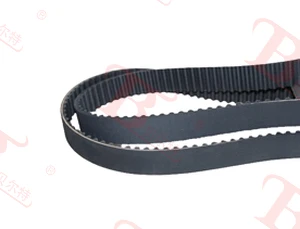
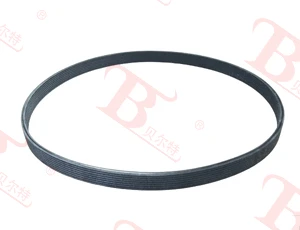
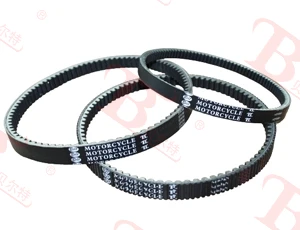
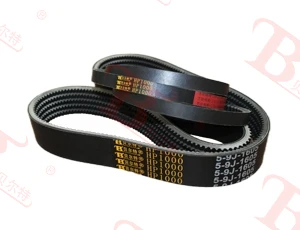
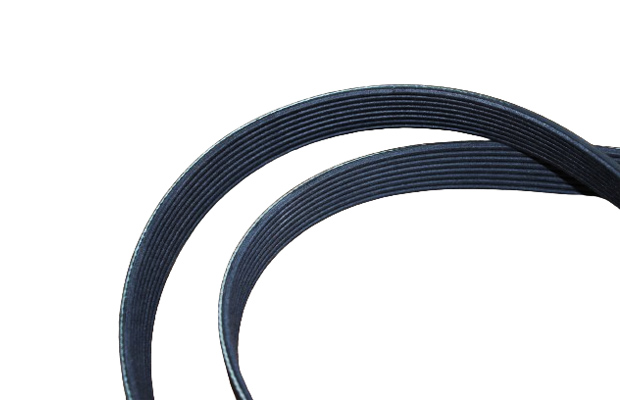
For textile manufacturers and garment producers, downtime is more than just a nuisance—it is a direct threat to production quotas and profit margins. At the heart of every high-speed sewing operation lies the industrial sewing machine belt. This often-overlooked component is the critical link in power transmission, ensuring your machinery maintains the precision, speed, and timing required for quality output.
Even the most robust belt for industrial sewing machine applications will eventually succumb to wear if not properly maintained. However, by adopting proactive care strategies, you can significantly extend the operational life of your components, reduce machine vibration, and prevent costly, unplanned production halts.
In this guide, we break down five essential maintenance tips to help you extract maximum value from your equipment.
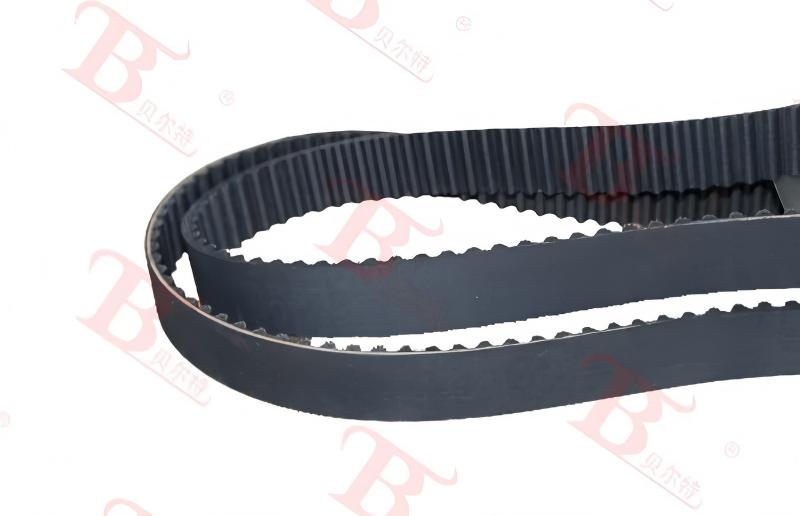
The most common cause of premature belt failure is improper tension. A belt for industrial sewing machine systems that is too loose will slip, causing friction that generates excessive heat and accelerates rubber degradation. Conversely, a belt that is too tight places undue stress on the motor bearings and the machine’s internal shafts, leading to mechanical failure.
The Proactive Approach: Perform a tension check at least once a month. When pressed midway between the pulleys, the belt should typically deflect about 1/4 to 1/2 inch. If your machine operates 24/7 in high-load production, check the tension weekly. If you notice persistent slippage or high-pitched squealing, check the tension immediately to prevent the belt from glazing over.
Industrial environments are rarely sterile. Lint, fabric dust, oil mists, and debris are constant byproducts of the sewing process. When these particles settle on the grooves of your pulleys and the surface of your industrial sewing machine belt, they create a grinding paste that accelerates abrasive wear.
The Proactive Approach: Use compressed air or a soft brush to remove dust and debris from the pulley grooves during every major maintenance cycle. Ensure that no excess machine oil drips onto the belt. While many of our high-quality belts are designed to resist common contaminants, prolonged exposure to harsh chemical solvents or pooling oil can compromise the integrity of the rubber compounds, leading to premature softening or swelling.
A perfectly functioning belt is only as good as the pulleys it rides on. If your pulleys are misaligned, the belt will be forced to ride at an angle, leading to uneven edge wear, fraying, and eventual snapping. Furthermore, over time, the metal grooves of the pulleys themselves can wear down, losing their "grip" profile.
The Proactive Approach: Inspect your pulleys for "cupping" or sharp edges. If the pulley grooves show signs of shiny, smooth metal, it means the groove walls have lost their ability to provide the necessary friction. Misalignment usually manifests as rapid fraying on one side of the belt. If you notice these symptoms, realign the pulleys and consider replacing them if the grooves are worn, as a new belt for industrial sewing machine will fail prematurely in a damaged pulley system.
Heat is the ultimate enemy of rubber. Even though a premium industrial sewing machine belt is engineered to withstand significant thermal stress, running a machine at maximum speed for extended periods in a poorly ventilated area creates a heat trap. High temperatures cause the rubber to harden and become brittle, leading to micro-cracks that eventually propagate into full-scale breaks.
The Proactive Approach: Ensure your workspace has adequate airflow. If your facility is prone to high humidity or extreme temperature fluctuations, ensure your storage area for spare belts is climate-controlled. Storing spare belts in a cool, dry, and dark environment keeps the rubber supple and ready for immediate deployment when the time comes for a replacement.
The way you operate your machinery has a direct impact on the longevity of your drive system. "Shock" loading—starting the machine at full throttle or jamming thick fabric through the needle while running at top speed—sends a violent spike of torque through the belt. Over time, this weakens the internal reinforced cords, leading to hidden internal damage that cannot be seen by the naked eye.
The Proactive Approach: Encourage operators to ease into top speeds rather than utilizing "start-stop" habits that strain the drivetrain. For heavy-duty applications that require constant high-load transitions, ensure you are using a belt specifically reinforced for torque stability.
Use this table to streamline your weekly maintenance routine and ensure maximum uptime for your industrial sewing machine belt.
| Inspection Point | Recommended Frequency | Warning Signs | Recommended Action |
|---|---|---|---|
| Tension | Weekly/Monthly | Squealing, slipping, slow start | Adjust to 1/4" - 1/2" deflection |
| Cleaning | Every Maintenance Cycle | Dust, oil buildup, debris | Clean with air/soft brush |
| Pulley Health | Quarterly | Shiny metal, sharp edges, wear | Realign or replace worn pulleys |
| Heat Control | During Operation | Burnt rubber smell, brittleness | Improve ventilation/check load |
| Visual Check | Monthly | Cracks, fraying, missing teeth | Replace immediately |
At WUXI BELT Co., Ltd., we understand that every production line has unique requirements. We don’t just supply parts; we provide solutions that enhance your machine's reliability. Our products are built with precision-reinforced cords and specialized rubber compounds that resist the wear and tear common in high-speed textile environments.
By choosing our products, you benefit from:
Smooth Operation: Dramatically reduced machine noise and vibration.
High Efficiency: Optimized performance that allows for consistent, high-speed production.
Custom Solutions: Whether you need standard sizes or a custom-engineered industrial sewing machine belt, our technical team is ready to assist.
Explore our full range of solutions on our Products Page. If you have specific technical questions regarding your machine’s compatibility, do not hesitate to Contact Our Team.
Extending the life of your equipment doesn't require a total overhaul of your production facility. It simply requires consistent attention to the small details—proper tensioning, regular cleaning, pulley alignment, environmental management, and gentle machine operation. By treating your belt for industrial sewing machine as a critical investment rather than a disposable commodity, you ensure that your production line remains fast, quiet, and profitable.
Remember, proactive maintenance is always more cost-effective than emergency repairs. By integrating these five tips into your maintenance schedule, you ensure that your machinery stays ahead of the curve, delivering the precision and speed your business depends on.
While there is no fixed timeline, you should replace the belt if you notice visible cracks, fraying edges, signs of dry rot, or if the machine consistently slips despite proper tension adjustment.
No. An industrial sewing machine belt is engineered for much higher speeds, sustained loads, and heat resistance than those found in standard home machines. Always match the belt specification to your machine type.
Signs of loose tension include squealing noises, slow start-up, and inconsistent stitching speed. Signs of over-tensioning include a "strained" motor sound and rapid heating of the machine's drive components.
Yes. Depending on your machine’s duty cycle—such as heavy-duty denim manufacturing versus light textile work—you may require different rubber compounds or cord reinforcements to ensure optimal grip and service life.