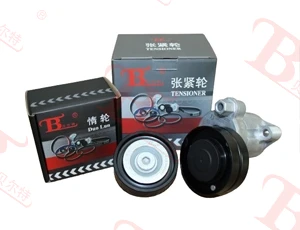
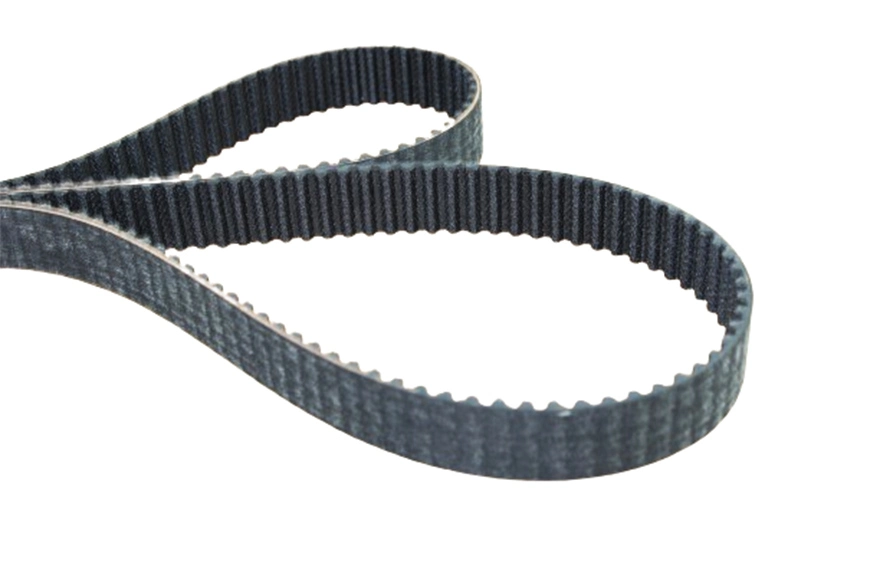
In precision power transmission, the integrity of your China timing belt is paramount. Whether operating in automated industrial machinery or high-torque automotive systems, a timing belt serves as the mechanical "heartbeat" of the drivetrain. Understanding why a belt fails is the first critical step toward preventing catastrophic production downtime and equipment damage. By analyzing specific wear patterns and failure modes, engineers and maintenance teams can transition from reactive repairs to proactive, preventive maintenance strategies.
This guide delves into common failure patterns, the root engineering causes, and the professional solutions needed to ensure your China timing belt system achieves its maximum operational lifespan.
A torn or ruptured belt is often the result of sudden, violent stress or external interference. If your belt shows signs of jagged tearing, it usually indicates that the transmission system has been compromised by external factors rather than simple material fatigue.
Root Causes:
Foreign Debris: Objects such as bolts, stones, or metal shards entering the drive system.
Chemical Degradation: Contamination by hydraulic fluids, oil, or aggressive solvents that swell the rubber.
Mechanical Impact: Sudden collision with damaged guide rails or mounting brackets.
Installation Errors: Applying excessive tension or "kinking" (sharply folding) the belt during installation, which weakens internal tensile cords.
Professional Solutions: Before installing a replacement China timing belt, you must clear all foreign debris from the system. Inspect all drivetrain parts; if surrounding components show structural damage, they must be replaced to prevent re-occurrence. Seal any oil leakage points, reset tension to factory-specified levels, and follow strict handling protocols to ensure the belt remains unbent prior to use.
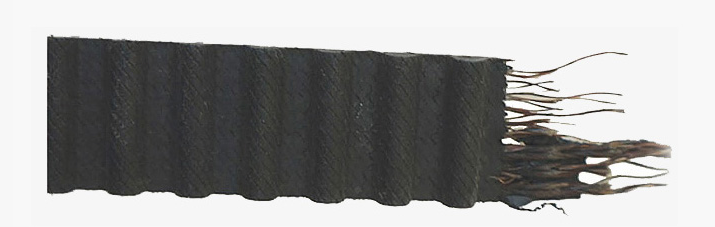
If you notice that one side of your belt is experiencing accelerated fraying or edge wear, it is a clear diagnostic indicator of an alignment issue within the powertrain architecture.
Root Causes:
Pulley Misalignment: The pulleys are not perfectly parallel, forcing the belt to track off-center and rub against flanges.
Damaged Flanges: Sharp or deformed pulley edges act like a saw against the belt edge.
Shaft Instability: Worn-out bearings causing excessive shaft vibration or "play."
Professional Solutions: Always check the parallelism and coaxial alignment of your pulleys. Replace damaged tensioner pulleys immediately. A brand-new China timing belt installed on a misaligned system will begin to fail within hours of operation.
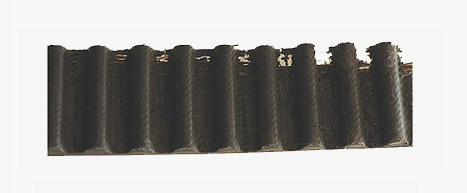
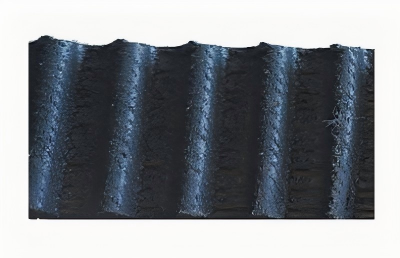
When the protective fabric covering the teeth begins to disintegrate, the belt loses its crucial friction coefficient and mechanical grip, leading to timing slippage or precision loss.
Root Causes:
Over-tensioning: Excessive force pushes the belt into the pulley grooves with too much pressure.
Dynamic Vibration: Pulleys "jumping" or oscillating vertically during high-speed operation.
Capacity Mismatch: The operational load or torque requirement consistently exceeds the belt’s design specification.
Professional Solutions: Adjust belt tension to the specified range using a tension gauge. Inspect pulleys for debris or dirt build-up that might cause belt jumping. If the load is truly excessive, consider upgrading to a reinforced belt specification or a wider belt profile.
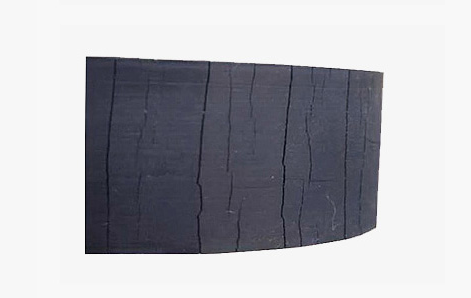
Damage to the smooth outer side of the belt (the backing) is a primary symptom of environmental stress and heat-related degradation.
Root Causes:
Thermal Overload: Ambient operating temperatures exceed the threshold of the rubber compound.
Idler Pressure: Contact pressure from tensioners or idler pulleys is too high, causing the rubber to fatigue.
Service Life Expiration: The material has naturally hardened and lost its elasticity over time.
Professional Solutions: If your system operates in high-heat zones, ensure you are utilizing an HNBR (Hydrogenated Nitrile) compound, which offers superior thermal stability. Improve system ventilation or introduce cooling measures. Always verify that new pulleys and tensioners rotate freely without resistance.
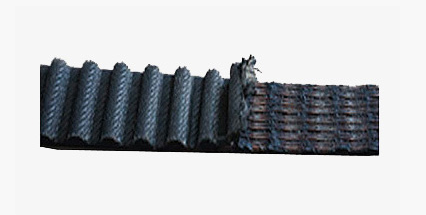
Tooth peeling is perhaps the most serious failure mode, indicating that the tooth profile has been unable to handle the shear forces applied to it.
Root Causes:
Peak Load Spikes: Sudden start-stop cycles or jamming of the machine.
Extreme Environments: Excessive heat combined with oil/liquid contamination.
Tension Imbalance: Tension that is either far too high or too low leads to uneven load distribution across the teeth.
Professional Solutions: Optimize heat dissipation (especially if using HNBR belts). Rigorously adjust tension to the recommended "sweet spot." Eliminate any liquid or oil leakage sources and remove any foreign obstructions that could cause a mechanical jam.
A China timing belt is a high-precision component that requires a stable, clean, and properly aligned environment to function optimally. By transitioning from a policy of "wait until it breaks" to a routine of "check, clean, and calibrate," you can significantly reduce maintenance costs and improve production efficiency.
At Wuxi Belt, we specialize in high-durability transmission components engineered to withstand rigorous industrial demands. For professional guidance on selecting the right belt for your specific machinery, explore our comprehensive Products Page. If you are experiencing recurring failure issues, Contact Our Team today for professional technical support, tailored material selection, and long-term maintenance strategies.
Why does my China timing belt keep tearing?
Tearing is usually caused by foreign objects or improper installation (such as kinking). Ensure the path is clear and treat the belt with care during mounting.
How can I prevent edge wear on my timing belt?
Edge wear is almost always a result of misalignment. Check pulley parallelism and replace any damaged tensioners that may be causing the belt to track improperly.
Does temperature affect the lifespan of a timing belt?
Significantly. High temperatures cause rubber to harden and crack. If operating in high-heat zones, upgrade to HNBR belts and ensure proper system ventilation.
Is it necessary to replace pulleys when replacing a failed belt?
Yes, it is highly recommended. Worn pulleys often have sharp edges or loss of groove profile, which will aggressively damage your new China timing belt, leading to a repeat failure.